You may have noticed shops and suppliers talking about e-invoices. So, what is an e-invoice, and is it just an invoice sent by email? Not quite. This guide explains the idea from the beginning, in plain language, so that you know what the term means whether you run a small business or simply receive invoices.
What is an e-invoice?
An e-invoice is a structured digital record of a sale, created as an XML or JSON data file in a format set by the tax authority. A PDF or a photo of an invoice is not the e-invoice itself, although a visual copy can still be shared with the buyer.
Think of it as the data behind the invoice. The familiar page you read is just one way of showing it.
How is an e-invoice different from a normal invoice?
A normal invoice is a document you create and send yourself. An e-invoice is submitted to the tax authority's system, checked against the required format in near real time, and given a unique identifier number once validated. Your own invoice number stays in the document as a separate reference.
According to LHDN's FAQ, validation is generally completed in under two seconds. Drafts can be created, but only validated e-invoices are accepted.
What is MyInvois, and where does the QR code come in?
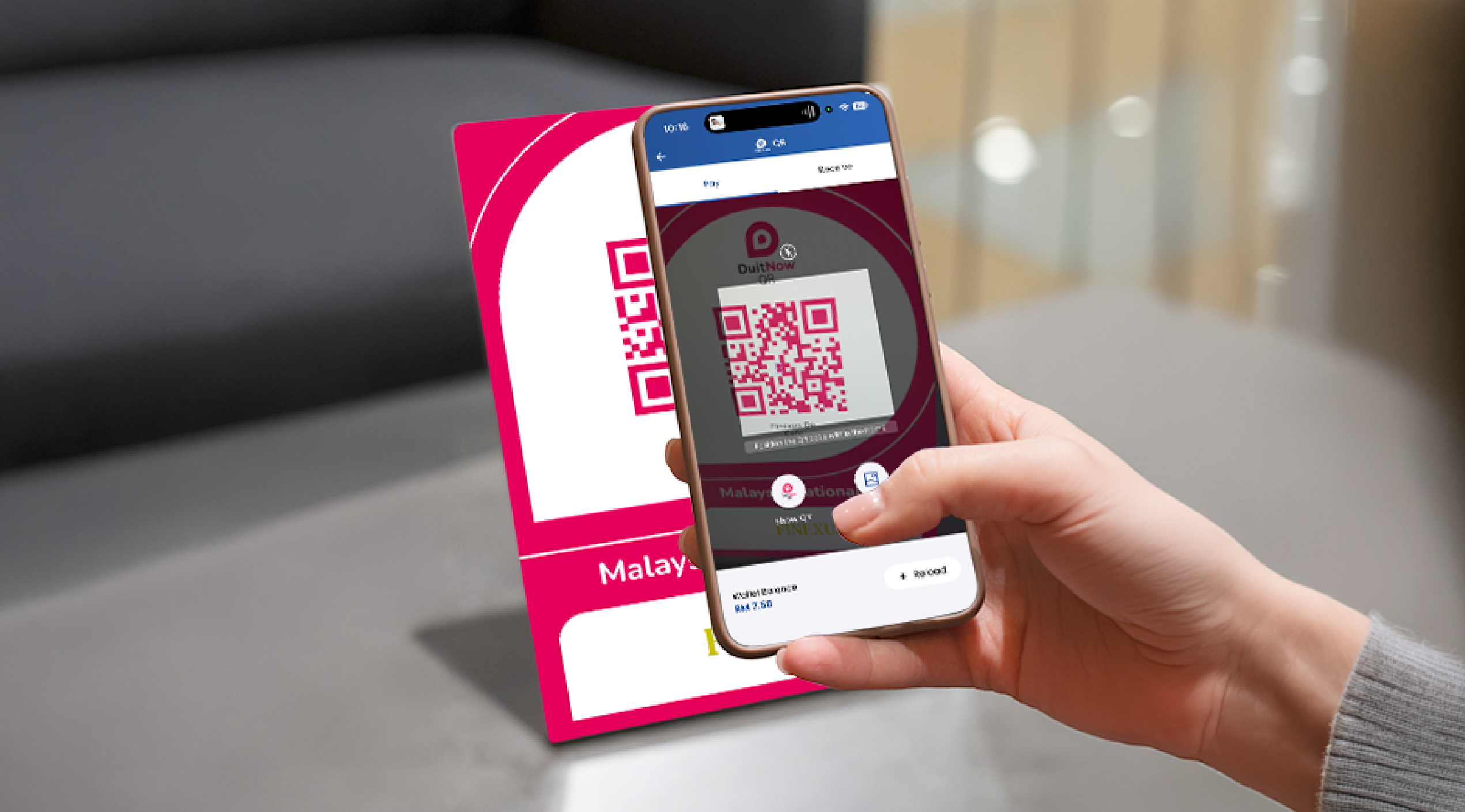
MyInvois is LHDN's e-invoice system. Businesses can submit e-invoices through a web portal, through an API, or both, and a free portal and mobile app are being made available to small businesses. The visual copy shared with a buyer must carry a QR code.
Which documents count as e-invoices?
Besides the standard e-invoice, the system has consolidated e-invoices, self-billed e-invoices, and credit, debit and refund notes. Each has a specific purpose, and not every business will use all of them. The list below gives a one-line meaning for each, so you can recognise the terms when they appear.
What are the benefits of e-invoicing for customers?
For customers, an e-invoice means the invoice you receive has been validated by the tax authority's system and carries a unique identifier. If you spot an error, such as a wrong tax number, you can ask the supplier to correct it within a set window. You can also ask a seller for an e-invoice when you buy.
LHDN's benefits page does not list consumer-specific benefits, so these points come from how the process works in its guideline and FAQ. A validated record, and a clear route to fix mistakes, make it easier to keep accurate purchase records.
What are the benefits of e-invoicing beyond compliance?
E-invoicing is often described as a legal requirement, but LHDN also presents it as a way to improve business efficiency and digitalise day-to-day operations. Transactions are validated in near real time and stored, which supports a smoother experience for businesses and taxpayers.
Finexus was the first in Malaysia to go live with LHDN e-invoicing. Through its AREMA solution, it is recognised by MDEC and OpenPeppol as an official Peppol Service Provider, and is also an accredited InvoiceNow Access Point Service Provider by the Infocomm Media Development Authority (IMDA) of Singapore.
Learn more about AREMA: https://www.finexusgroup.com/banks/e-invoicing