The retail payment shift in Malaysia is easy to see at the till: more customers scan a QR code, and fewer reach for a card or a note. This article looks at what recent official and survey data say about the change, what it means for shops, and why cash has not disappeared. It is written for shoppers and small business owners alike.
How far has Malaysia moved from cash to cashless?
Official and survey figures point the same way. The Department of Statistics (DOSM) reported e-money payments of RM33.3 billion in March 2026, up 64.3 per cent on a year earlier, while debit card transactions slipped 0.7 per cent to RM15.5 billion. An Ipsos survey found non-cash use rose from 51 to 72 per cent between 2023 and 2026.
The two measure different things. DOSM counts the value of transactions, and credit card spending was RM20.1 billion, up 5.5 per cent. Ipsos surveyed 1,029 Malaysians aged 18 to 74 in April 2026, and among non-cash payers it found e-wallet use rose from 52 to 81 per cent. Neither source, as reported, gives cash figures, so they show growth in non-cash use rather than how much cash is left.
What is driving the retail payment shift in Malaysia?
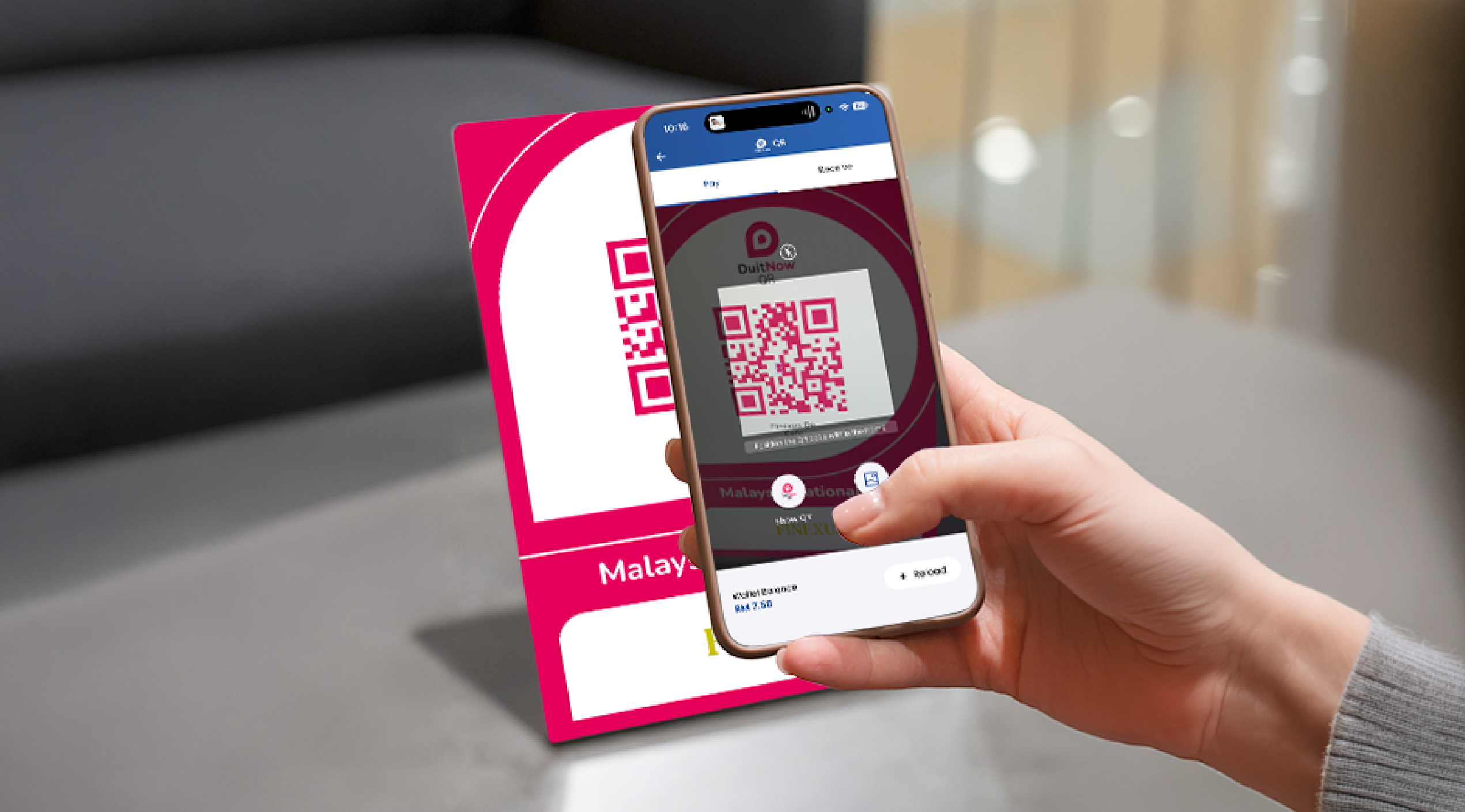
Reporting on the Ipsos findings points to interoperable QR payments, where one code works across several wallet apps and banks, as a key driver. Wallet use is strongest where small purchases are frequent: food and beverage outlets, tolls and parking, and retail stores. Convenience at the counter seems to play a large part.
Card use among non-cash payers has fallen, with debit down from 76 to 56 per cent and credit down from 15 to 9 per cent. Ipsos suggests cards may still hold an edge for larger purchases and for online buying, where buyer protections matter more.
What does the shift mean for small shops?
For small sellers, QR payments are generally cheaper and simpler to set up than card terminals, and one printed code can accept payments from several banks and wallets. Codes also help with tracking sales and reconciling payments. Ipsos describes e-wallet acceptance as something retailers and food operators are now expected to offer.
Kayaaku from Finexus, an e-wallet and card offering with merchant payments, is one example of a service built for this setting.
Where does cash still matter?
Cash remains useful in markets, rural areas and emergencies, according to a comparison published in August 2026. Weak internet can interrupt QR payments, and not every microbusiness accepts cards. The same article suggests keeping a digital option, a physical card and a small cash reserve together.
Some commentators also worry that cashless-only shops can leave out older people, rural residents and anyone without a smartphone. An April 2026 opinion piece reported that the Ministry of Domestic Trade has said charging extra for digital payments is illegal. As an opinion piece, treat this as context and check the ministry's current guidance. Connectivity matters too: DOSM's 2025 survey put household internet access at 99.0 per cent in urban areas and 90.7 per cent in rural areas, a gap that can affect QR payments.
How can shoppers and shops make the shift smoother?
Shops can offer more than one way to pay, keep a small cash float, display the QR code clearly and confirm each payment on their own device. Shoppers can check the merchant name and amount before paying, and avoid sharing verification codes. Small habits on both sides reduce errors and scams.
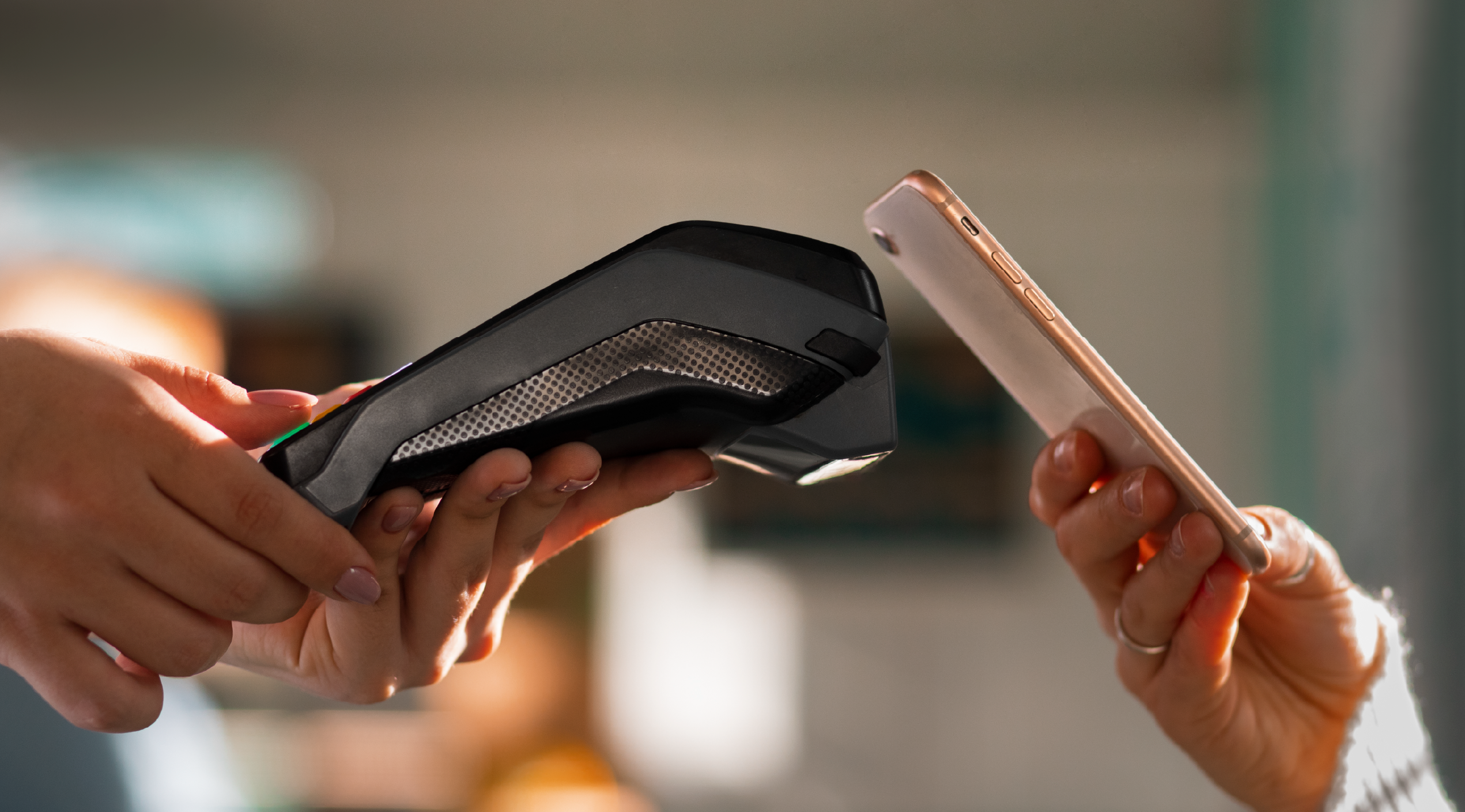
A payment terminal can help on the shop side. One device can take both card and QR or e-wallet payments, so customers can pay the way they prefer, including by card for larger purchases. The result shows on a device you control rather than on a customer's phone, and the terminal keeps a record of each sale that makes end-of-day checking easier. Printed receipts, where the terminal offers them, give customers proof of payment.
There is a trade-off. A printed QR code is generally cheaper and simpler to set up than a terminal, so many small sellers start there. A shop with steady card use or higher-value sales may find a terminal worth the extra setup. Outages happen too, so a backup option at the counter keeps the queue moving when an app or network is down.
If you are weighing up a payment terminal or other ways to accept payments in your shop, Finexus is a trusted merchant solutions provider worth talking to. To find out more, visit https://www.finexusgroup.com/businesses/payments.