An e-wallet is now a familiar sight at tills, toll lanes and food stalls across Malaysia, yet many users only scratch the surface. This guide explains what an e-wallet is, how it works, why it is spreading, and how to fully utilise your e-wallet without favouring any provider.
What is an e-wallet?
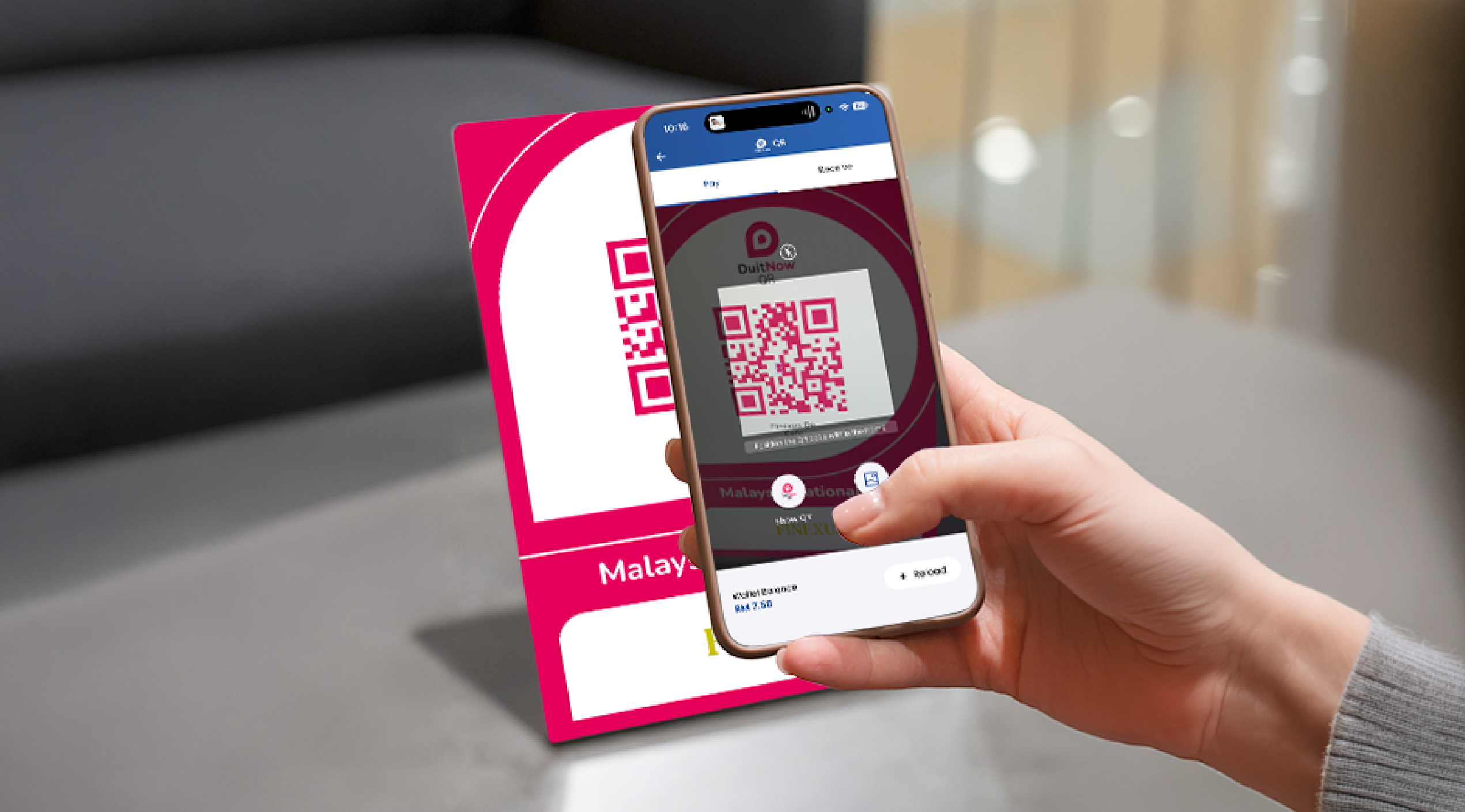
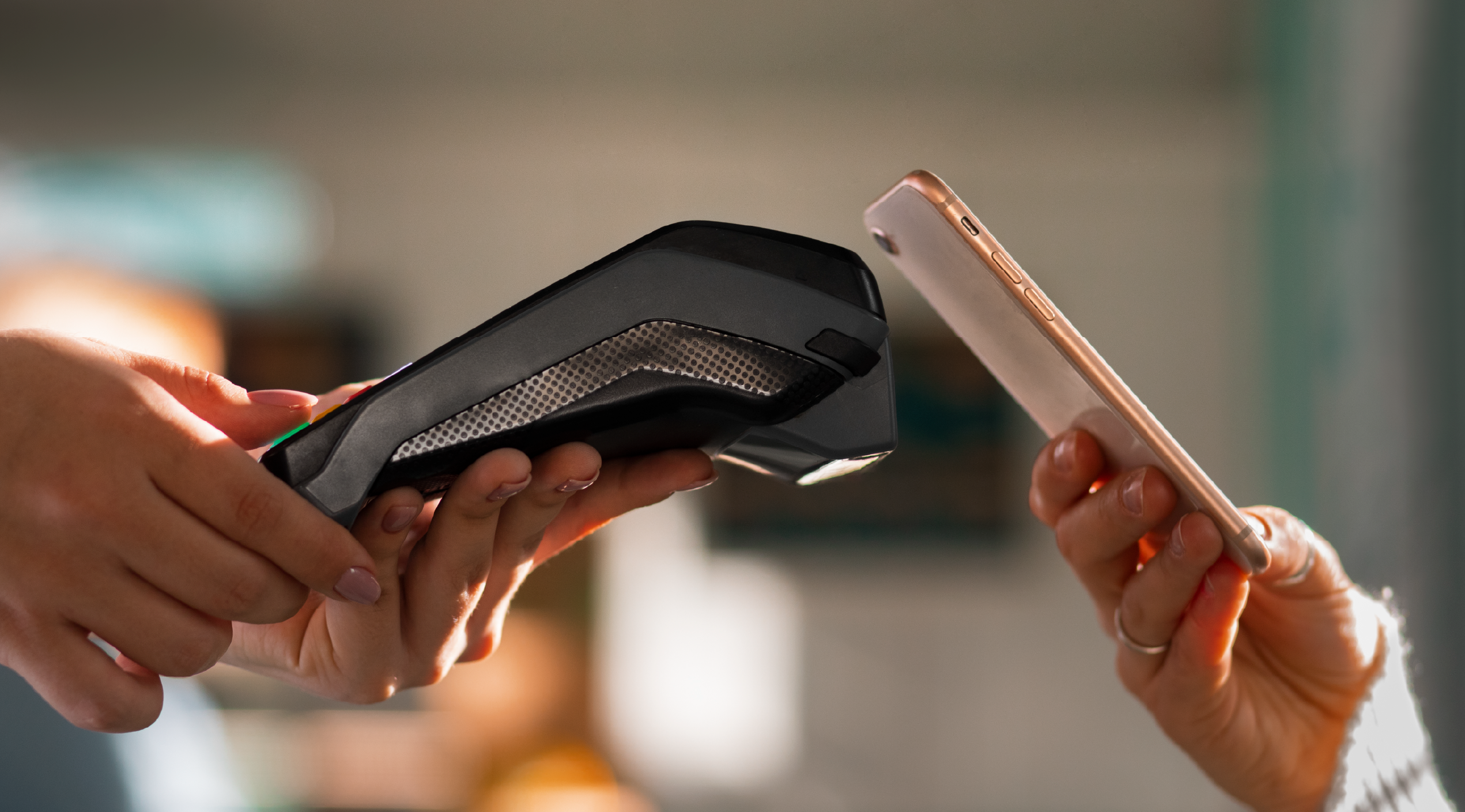
An e-wallet is a phone app that works like a digital version of your physical wallet. You add money or payment details to it, then pay by scanning a QR code or tapping your phone. Some e-wallets are prepaid, some are linked to a bank account, and some work only with certain merchants.
It differs from a debit card, which spends money already in your bank account, and from a credit card, which spends borrowed money.
How does an e-wallet work?
You set up an account, add funds by card or online bank transfer, then pay a merchant by scanning their QR code or tapping your phone. Each payment is verified, for example with a PIN, so a stolen phone is harder to use. Many apps also let you send money to other users.
How do Malaysians use e-wallets?
Ipsos found that e-wallet use in Malaysia is centred on everyday offline spending, especially food and beverage, retail, and tolls and parking. Other common uses include transport and food delivery, bill payments, transfers between people and, through some providers' features, investing.
Features differ by provider, so check which of these your own app offers.
Why are e-wallets becoming more popular in Malaysia?
Near-universal phones, shared QR codes and wider age groups all play a part. DOSM's 2025 survey put mobile phone use among individuals at 99.6 per cent. Reporting on the Ipsos findings points to interoperable QR payments, where one code works across several apps, and strong growth among people aged 35 and above.
Offers help too. Since 2020, the government has disbursed more than RM2 billion through six national e-wallet subsidy schemes, according to a June 2025 report.
How can you fully utilise your e-wallet?
Start with routine spending, such as meals, tolls and parking, so your history shows where your money goes. Check the offers page before you pay, and use the app to send or split payments with friends instead of handling cash. Top up in modest amounts and review your history once a month.
A simple monthly routine helps. Pick one category, such as food, and add up a month of payments. Then set a top-up amount for the next month and see whether it lasts. Switch on payment notifications so each transaction is confirmed on your phone, and turn on two-factor authentication where it is offered.
Should Malaysians download an e-wallet?
Yes, for most people who pay where QR codes are accepted, an e-wallet is a convenient addition. It needs a supported account, a charged phone and a connection, so it should sit alongside a card and a little cash rather than replace them. An August 2026 comparison notes that weak internet can disrupt QR payments.
If you are unsure, start small: top up a modest amount and try it for a week on everyday purchases. Download one from a provider you trust, and check that it suits the places you pay most often.
Behind every e-wallet is a provider that builds the app, connects it to merchants and processes the payments. Finexus is that provider. Through Kayaaku, we have been transforming businesses and GLCs, and we power the e-wallet and DuitNow payments behind PahangGo, the Pahang state government’s app. We already support several e-wallets across the market.
Planning your own e-wallet? Finexus gives you a white-label solution backed by a licensed Electronic Money Issuer (EMI), with ready-to-use APIs and SDKs. We complete your ecosystem with the payment gateway, card issuance and backroom operations.
Ready to launch? Talk to our team today: https://www.finexusgroup.com/businesses/e-wallet